


Mahashivratri calls for sacred beverages that nourish devotees through the long fast, and Panakam stands as one of the most cherished offerings to Lord Shiva. This ancient South Indian drink combines jaggery’s natural sweetness with warming spices and cooling herbs, creating a perfectly balanced beverage that energizes the body while honoring devotional traditions.
Quick Summary:
Panakam is a traditional jaggery-based drink made with black pepper, dry ginger, cardamom, and lemon juice. This refreshing beverage takes just 15 minutes to prepare, provides instant energy during Mahashivratri fasting, and serves as both prasad and summer cooler.
Table of Contents
Recipe Time & Yield Information
| Preparation Details | Time/Yield |
|---|---|
| Prep Time | 10 minutes |
| Soaking Time | 5-10 minutes |
| Total Time | 15 minutes |
| Yield | 2-3 cups (2-3 servings) |
| Serving Size | 1 cup (250ml) |
| Best Served | Chilled |
| Storage | Up to 2 days refrigerated |
| Difficulty Level | Easy (no cooking required) |
Complete Ingredients List for Authentic Mahashivratri Panakam
Understanding each ingredient and its precise quantity ensures your Panakam achieves the authentic taste and spiritual significance that makes this beverage so sacred during Mahashivratri observances.
Base Ingredients
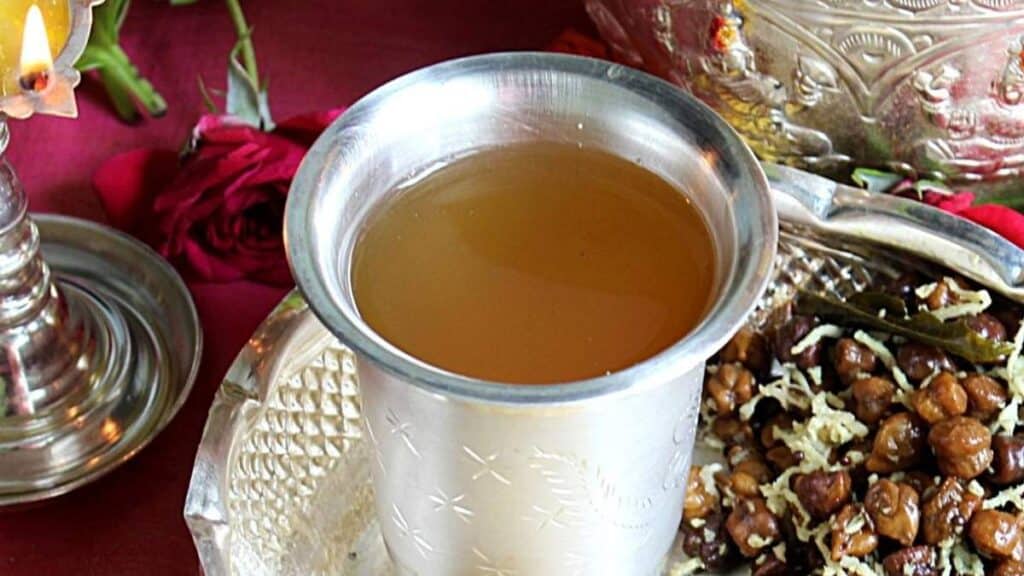
Water: 2-3 cups (500-750ml) – Use filtered or purified water for best taste. The water can be at room temperature or chilled depending on your preference. During summer Mahashivratri, chilled water creates a more refreshing drink, while room temperature water is preferred during cooler months.
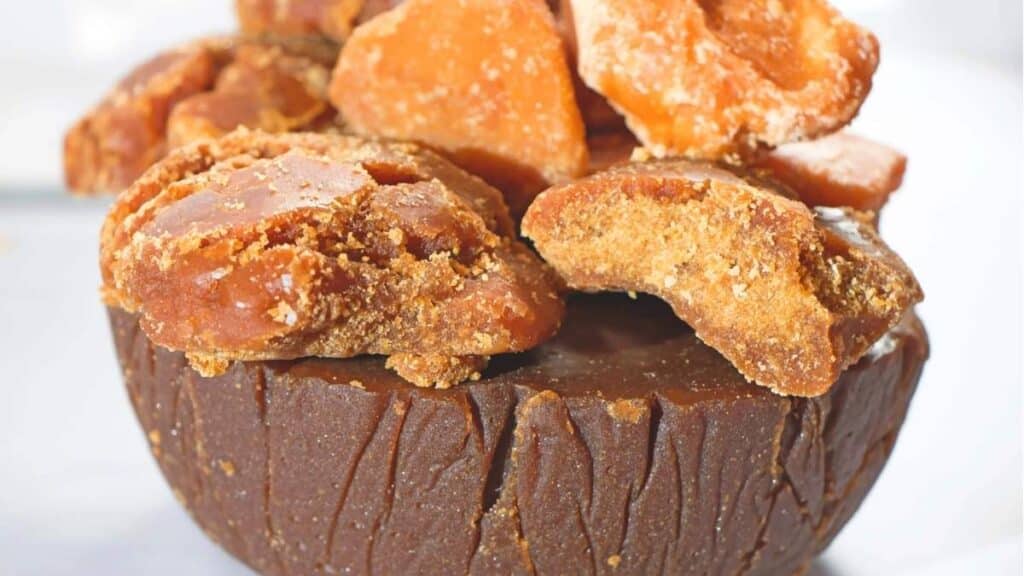
Jaggery (Gur): ½ cup (approximately 100 grams) – Use organic, chemical-free jaggery that’s been grated or powdered. The quality of jaggery directly impacts flavor—look for dark, unrefined jaggery with a deep molasses aroma. Some regions prefer palm jaggery (karupatti) for its distinct mineral taste and cooling properties.
Aromatic Spices
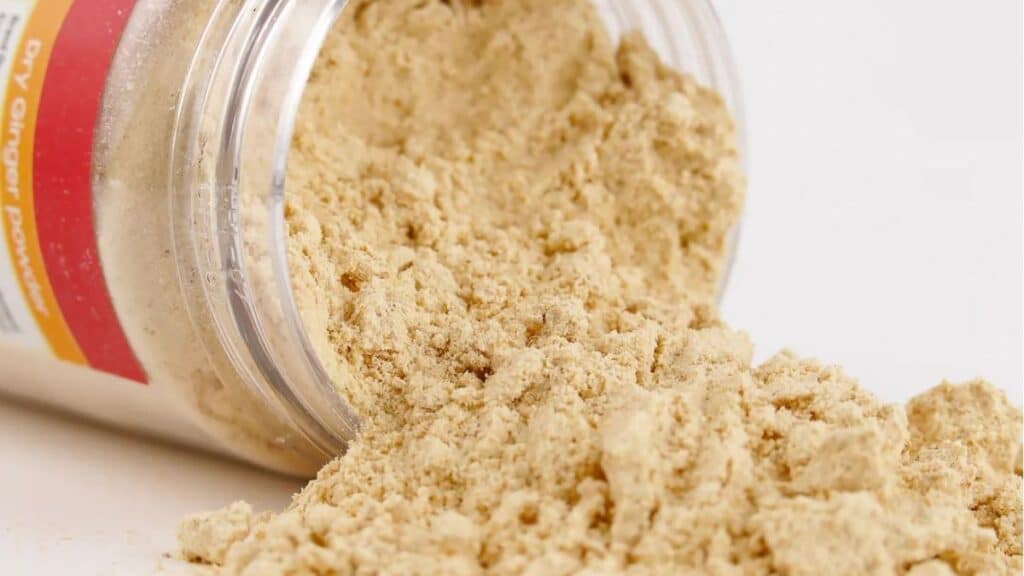
Dry Ginger Powder (Sonth): ¼ teaspoon (approximately 0.75 grams) – Provides warmth and digestive support. Alternatively, use 1 teaspoon of fresh ginger juice for a sharper, more pungent flavor. Dry ginger is traditionally preferred for Mahashivratri as it’s considered more sattvic.
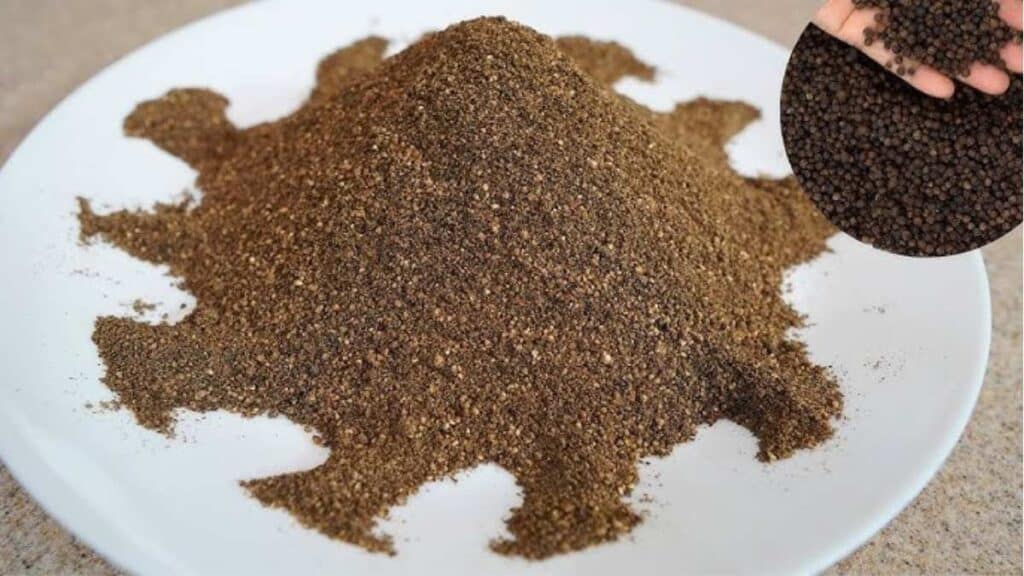
Black Pepper Powder (Kali Mirch): ¼ teaspoon (approximately 0.75 grams) – Freshly ground black pepper works best, releasing maximum piperine and aromatic oils. The pepper adds subtle heat and enhances nutrient absorption from other spices.
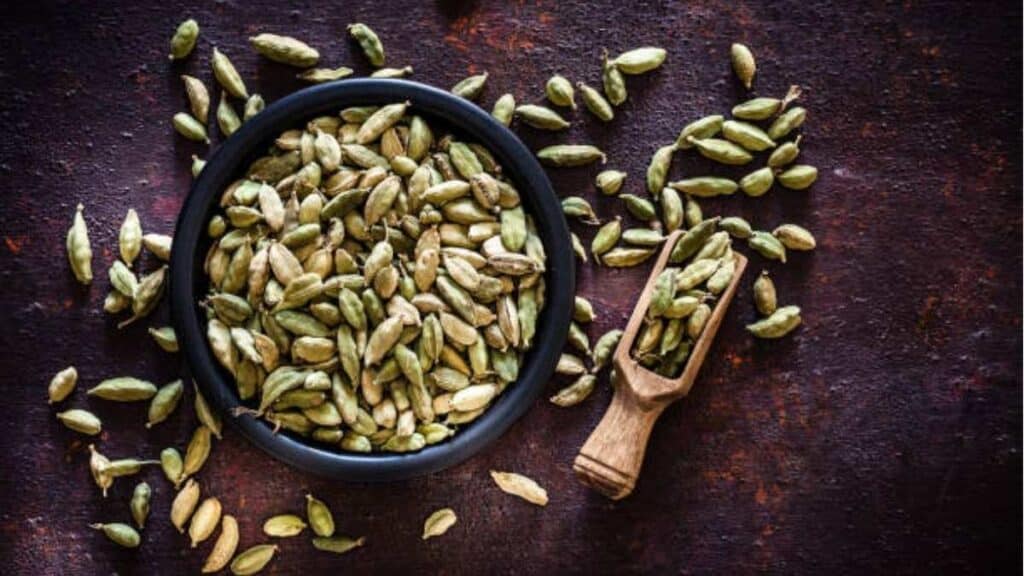
Cardamom Powder (Elaichi): ¼ teaspoon (approximately 0.75 grams) – Freshly ground green cardamom creates the most fragrant Panakam. The floral, sweet notes balance the heat from ginger and pepper while adding digestive benefits.
Why Panakam Is Essential for Mahashivratri
Panakam holds profound spiritual and practical significance during Mahashivratri observances. This isn’t merely a beverage—it’s a sacred offering that connects devotees to centuries of tradition while providing crucial nourishment during the demanding fast.
Lord Shiva’s association with simplicity and natural elements makes Panakam an ideal offering. The drink contains no cooking, no artificial ingredients, just pure elements mixed with devotion. The jaggery represents sweetness of devotion, black pepper symbolizes the intensity of tapas (spiritual discipline), ginger provides the warmth of divine energy, and tulsi carries prayers directly to Shiva.
The cooling properties attributed to jaggery and tulsi in Ayurveda balance the warming spices, creating a beverage that’s neither heating nor cooling but perfectly balanced. This equilibrium proves especially valuable during Mahashivratri, which typically falls during the transition from winter to spring when the body needs support adapting to seasonal changes.
Understanding the Sacred Ingredients in Panakam
Each ingredient in Panakam serves specific nutritional, medicinal, and spiritual purposes. Understanding these elements deepens your appreciation for this ancient beverage’s wisdom.
Jaggery (Gur): The Sweet Foundation
Jaggery forms Panakam’s foundation, providing both sweetness and substantial nutrition. Unlike refined white sugar that offers empty calories, jaggery retains minerals from sugarcane or palm sap including iron (approximately 11mg per 100g), calcium (80mg), magnesium (70mg), phosphorus (20mg), and potassium (1056mg).
The iron content makes jaggery particularly valuable during fasting when iron-rich foods may be limited. Women observing Mahashivratri fasts benefit especially from this natural iron source. The potassium helps maintain electrolyte balance and prevents the muscle cramps that can occur during extended fasting periods.
The glycemic index of jaggery (around 84) is slightly lower than white sugar (around 65), though both raise blood sugar relatively quickly. However, jaggery’s mineral content and the presence of some fiber may slow absorption marginally. The sucrose in jaggery breaks down into glucose and fructose, providing immediate energy followed by sustained fuel as the body processes fructose more gradually.
Black Pepper (Kali Mirch): The Warming Catalyst
Black pepper’s inclusion in Panakam might surprise those unfamiliar with South Indian beverage traditions, but this spice serves crucial functions beyond adding subtle heat. The piperine in black pepper dramatically enhances nutrient absorption—research shows it can increase bioavailability of curcumin by 2000%, beta-carotene by 600%, and various other nutrients significantly.
This absorption enhancement means the minerals in jaggery, the vitamins from lemon juice, and the beneficial compounds in other spices become more bioavailable when consumed with black pepper. Your body actually utilizes more of Panakam’s nutrients because of the pepper’s presence.
Black pepper also stimulates digestive enzymes and gastric acid production, priming your system to process nutrients efficiently. During fasting when your digestive system operates on a reduced schedule, this gentle stimulation helps prevent the bloating, gas, and discomfort that can occur when eating after long gaps.
Per quarter teaspoon, black pepper provides negligible calories but meaningful amounts of vitamin K (supporting blood clotting), manganese (supporting metabolism), and iron. The antioxidant compounds in black pepper, including piperine itself, help protect cells from oxidative stress that increases during fasting when the body undergoes metabolic adaptations.
Cardamom (Elaichi): The Aromatic Balancer
Cardamom’s sweet, floral aroma transforms Panakam from merely functional beverage into sensory experience. The essential oils in cardamom—particularly eucalyptol (also called cineole)—provide the distinctive fragrance that many people consider essential to authentic Panakam.
Beyond aroma, cardamom serves important digestive functions. Like ginger and black pepper, cardamom stimulates digestive enzyme production and helps prevent gas and bloating. The carminative properties (meaning it prevents intestinal gas formation) make cardamom especially valuable when consuming sweet drinks that might otherwise ferment in the digestive tract.
The subtle sweetness in cardamom complements jaggery without adding sugar, creating flavor complexity that keeps each sip interesting. Some describe cardamom’s taste as slightly minty, others detect hints of citrus or floral notes—this complexity ensures Panakam doesn’t become monotonously sweet despite the significant jaggery content.
Lemon Juice: The Bright Catalyst
Fresh lemon juice serves multiple crucial functions in Panakam despite appearing in small quantities. The acidity cuts through jaggery’s richness, preventing the drink from tasting heavy or cloying. Without lemon’s brightness, Panakam can taste one-dimensionally sweet and become difficult to finish even when you’re thirsty.
The citric acid in lemon juice helps dissolve jaggery more completely and prevents it from separating or settling at the bottom of your glass. The acid also enhances the solubility of minerals in jaggery, potentially improving their absorption when you drink Panakam.
Lemon’s alkalizing effect despite its acidic taste helps maintain pH balance in the body. While the amounts in Panakam are small, the principle of including alkalizing foods during fasting supports metabolic balance as your body adapts to reduced food intake.
Tulsi (Holy Basil): The Sacred Element
Tulsi leaves transform Panakam from beverage into blessed prasad. No other ingredient carries the same spiritual weight—tulsi is considered sacred to Lord Vishnu and also revered in Shiva worship, making it an essential element in Mahashivratri observances.
Ayurveda classifies tulsi as warming and considers it beneficial for respiratory health, immune function, and mental clarity. During overnight vigils when devotees maintain focused consciousness through prayers and meditation, tulsi’s reputation for supporting mental alertness becomes particularly relevant.
Two to three fresh tulsi leaves provide negligible calories and nutrients in measurable quantities, but the phytochemicals they contain—essential oils, flavonoids, and phenolic compounds—offer benefits that transcend basic nutrition.
Rock Salt (Sendha Namak): The Mineral Touch
The pinch of salt in Panakam serves multiple purposes despite its tiny quantity. Firstly, salt enhances sweetness perception—a well-established culinary principle. The small amount of salt makes jaggery taste sweeter without adding more sugar, creating better flavor with less total sweetness.
Salt also enhances the perception of all other flavors, making the ginger taste more gingery, the pepper more peppery, and the cardamom more aromatic. This flavor enhancement means you can use moderate amounts of each ingredient while still achieving bold, satisfying taste.
For Mahashivratri fasting, rock salt (sendha namak) is essential rather than regular table salt. Rock salt remains in its natural crystalline state without chemical processing or additives, making it acceptable during religious fasts that require purity. The mineral composition differs from refined salt—rock salt contains trace amounts of potassium, magnesium, calcium, and other minerals that refined salt lacks.
Salt also supports the body’s production of digestive juices. The presence of sodium chloride triggers various digestive secretions that help your system process the nutrients in Panakam and any prasad or fasting foods you consume.
Step-by-Step Instructions for Perfect Panakam
Making Panakam requires no cooking and minimal equipment, yet following proper technique ensures optimal flavor, texture, and dissolution of all ingredients.
Stage 1: Preparing the Jaggery Base — Time: 5-10 minutes
Begin by measuring your half cup (100 grams) of jaggery. If you have a solid block, grate it using the large holes of a box grater. The grated texture dramatically speeds dissolution compared to large chunks. Alternatively, if you can find powdered jaggery, this works even better and dissolves almost instantly.
Place the grated or powdered jaggery in a large bowl or pitcher. Pour 2-3 cups (500-750ml) of water over the jaggery—use the lesser amount if you prefer stronger, sweeter Panakam, the greater amount for lighter, more diluted beverage. The water can be at room temperature, which allows faster jaggery dissolution, or chilled if you’re serving immediately and prefer cold Panakam.
After soaking, stir vigorously with a spoon or whisk until the jaggery completely dissolves. You should see the water transform from clear to deep amber or brown depending on your jaggery’s color. Continue stirring until no visible jaggery pieces remain and the liquid appears uniformly colored.
Stage 2: Straining for Purity — Time: 2-3 minutes
Even high-quality jaggery often contains small impurities—tiny pieces of sugarcane fiber, sediment, or debris from processing. These particles won’t harm you but they create unpleasant texture and make your Panakam look cloudy rather than clear and appealing.
Place a fine-mesh strainer over a clean bowl or pitcher. Pour the dissolved jaggery water through the strainer slowly, allowing it to filter through without rushing. If your strainer has relatively large holes, line it with a piece of clean muslin cloth or even a coffee filter for finer filtration.
Some traditional cooks insist on double-straining, passing the liquid through the filter twice to ensure absolute purity. While not strictly necessary, this extra step creates noticeably clearer, more refined Panakam that looks more appealing when served.
Stage 3: Adding Spices and Flavorings — Time: 2 minutes
To your strained jaggery water, add the quarter teaspoon of dry ginger powder. Sprinkle it over the surface and immediately whisk or stir vigorously—dry ginger powder can clump if not dispersed quickly. Continue stirring until the ginger distributes evenly throughout the liquid with no visible clumps.
Add the quarter teaspoon of freshly ground black pepper powder, again stirring immediately to prevent clumping. The pepper will add subtle speckling to the liquid—this is normal and attractive, showing you’re using real, freshly ground spices rather than extracts or artificial flavoring.
Add the quarter teaspoon of cardamom powder, stirring to incorporate. Freshly ground cardamom releases maximum aroma, so if possible, crush whole green cardamom seeds just before adding. The fragrance should become immediately apparent as you stir.
Add 1-2 teaspoons of freshly squeezed lemon juice. Start with one teaspoon, taste, and add the second if you prefer more tartness. The lemon juice will slightly lighten the color of the liquid as the acid interacts with the jaggery. Stir thoroughly to distribute the acidity evenly.
Stage 4: Final Touches and Serving — Time: 1 minute
Gently bruise 2-3 fresh tulsi leaves by pressing them between your fingers—this releases their aromatic oils without tearing the leaves completely. Drop the bruised leaves into your Panakam and give a final gentle stir.
Taste your Panakam and adjust if needed. If it’s too sweet, add a bit more lemon juice or a splash of water. If not sweet enough, dissolve a tablespoon more jaggery. If the spice balance seems off, you can add tiny additional pinches of whichever spice needs boosting.
If serving immediately, pour over ice cubes in individual glasses for maximum refreshment. If serving later, refrigerate the entire pitcher for at least 30 minutes to allow flavors to meld and the drink to chill thoroughly. Chilled Panakam tastes significantly better than room temperature, especially during warm weather.
When serving, ladle the Panakam to ensure even distribution of any settled spices, and include a tulsi leaf in each glass for auspiciousness. Some families serve Panakam in traditional brass or copper vessels during Mahashivratri puja, believing these metals add beneficial properties to the drink.
Serving Panakam During Mahashivratri Rituals
Panakam occupies a special place in Mahashivratri worship traditions, serving both as offering to Lord Shiva and as prasad that sustains devotees through their fast. Understanding proper serving protocols enhances the beverage’s spiritual significance.
During puja ceremonies, Panakam is typically prepared fresh and offered to the Shiva lingam or Shiva murti along with other prasad items like fruits, flowers, and sacred ash. The drink is poured into a small brass or silver vessel and placed before the deity while chanting appropriate mantras. After the offering ritual concludes, the Panakam becomes blessed prasad that devotees consume with reverence.
In home observances, families often prepare Panakam multiple times throughout the fasting period—once in early morning after morning puja, again at midday, and a final batch in the evening before breaking the fast completely. Each preparation is fresh, as Panakam tastes best within a few hours of making.
The traditional serving vessel matters to many devotees. Brass and copper vessels are believed to have antimicrobial properties and to enhance the drink’s medicinal qualities. Silver vessels are used in some affluent families or temples, associated with purity and auspiciousness. Clay cups create connection to earth element and are particularly traditional in rural areas.
The act of serving Panakam to guests and family members is itself considered a devotional practice. Offering refreshment to others, especially during their spiritual observances, generates merit and expresses the compassionate, service-oriented values that Mahashivratri celebrates.
Nutritional Benefits of Panakam for Fasting
Understanding Panakam’s nutritional composition helps you appreciate why this simple beverage sustains devotees so effectively through demanding Mahashivratri fasts. The combination of ingredients creates comprehensive support for fasting bodies.
Macronutrient Profile (Per 1 Cup/250ml Serving)
Calories: Approximately 140-160 calories, primarily from jaggery’s carbohydrates. This caloric density provides substantial energy in small volume—crucial when your stomach has shrunk during fasting and cannot handle large quantities.
Carbohydrates: 35-40 grams total, almost entirely from jaggery. These carbohydrates are primarily sucrose (table sugar’s chemical composition) which breaks down into glucose and fructose. Glucose provides immediate energy, while fructose metabolizes more slowly, creating a two-phase energy release that sustains you longer than pure glucose would.
Protein: Negligible, less than 0.5 grams per serving. Panakam is not a protein source, which is appropriate for a quick-energy beverage rather than a complete meal.
Fat: Essentially zero. The absence of fat means Panakam digests quickly and provides immediate energy without the delayed gastric emptying that fats create.
Fiber: Minimal, perhaps 0.5-1 gram from any remaining jaggery solids that passed through straining. The low fiber content again supports rapid digestion and quick energy availability.
Micronutrient Content (Per 1 Cup/250ml Serving)
Iron: Approximately 5-6mg from jaggery, covering 30-35% of daily requirements for most adults. This iron proves particularly valuable during fasting when iron-rich foods may be limited. The vitamin C in lemon juice enhances absorption of this non-heme (plant-based) iron.
Magnesium: Approximately 35mg from jaggery, covering about 10% of daily needs. Magnesium supports muscle function, nervous system regulation, and energy metabolism—all important during the physical and spiritual demands of Mahashivratri fasting.
Potassium: Approximately 500-550mg from jaggery, covering about 15% of daily requirements. Potassium maintains electrolyte balance, supports proper muscle contraction, and helps prevent the cramping that can occur during fasting.
Calcium: Approximately 40mg from jaggery, covering about 4% of daily needs. While not a major calcium source, every contribution helps, especially for devotees who may be limiting dairy during their fast.
Phosphorus: Approximately 10mg from jaggery, supporting bone health and energy metabolism at the cellular level.
Vitamin C: Small amount from lemon juice, perhaps 5-8mg depending on lemon freshness and how much juice you use. Covers about 8-10% of daily needs.
B Vitamins: Trace amounts of thiamine, riboflavin, and niacin from jaggery and spices, though not in significant quantities.
Phytochemicals and Bioactive Compounds
Beyond basic vitamins and minerals, Panakam provides numerous beneficial plant compounds:
Gingerols and Shogaols: From dry ginger, these compounds demonstrate anti-inflammatory, antioxidant, and digestive-supporting properties in research studies.
Piperine: From black pepper, enhances nutrient absorption and has its own antioxidant properties.
Essential Oils: From cardamom and tulsi, including eucalyptol, eugenol, and various terpenes that provide antimicrobial and anti-inflammatory effects.
Polyphenols: From jaggery (retained from sugarcane), tulsi, and spices, these antioxidants help protect against cellular damage.
Organic Acids: From lemon juice, including citric acid which supports mineral absorption and may have alkalizing effects despite acidity.
Glycemic Response and Energy Provision
Panakam’s primary function is providing quick energy through jaggery’s sugars. The glycemic index of jaggery is around 84—moderately high, meaning it raises blood sugar relatively quickly. For fasting devotees, this rapid energy provision is beneficial rather than problematic, as you need quick fuel when breaking extended periods without food.
The presence of spices, particularly cinnamon if you add it optionally, may moderate blood sugar response slightly. Some research suggests ginger and cinnamon can improve insulin sensitivity and glucose metabolism, though the amounts in Panakam are probably too small for major effects.
The sucrose in jaggery breaks down into equal parts glucose and fructose. Glucose enters the bloodstream quickly, providing immediate energy and mental clarity. Fructose metabolizes more slowly through the liver, providing sustained energy over the following hours. This two-phase energy release helps prevent the rapid crash that can follow consuming pure glucose.
CHECK MORE ON:Meetha Daliya Recipe: Easy Sweet Broken Wheat Kheer in 25 Minutes
Panakam Variations for Different Preferences
While traditional Panakam follows the classic recipe, several regional and personal variations allow customization while maintaining the beverage’s essential character.
Coconut Panakam (South Indian Coastal Style)
Replace half the water with fresh coconut water for tropical sweetness and additional electrolytes. The coconut water’s natural sweetness allows reducing jaggery slightly while the potassium content (about 600mg per cup) provides excellent electrolyte support. Add a tablespoon of tender coconut meat scraped into thin strips for textural interest.
This version tastes more cooling and lighter, making it particularly appropriate for summer Mahashivratri observances or warmer climates. The coconut water’s pH and mineral composition also make this version especially hydrating.
Spiced Panakam with Additional Aromatics
Add quarter teaspoon of roasted cumin powder for earthier flavor and additional digestive support. Include two crushed green cardamom pods in addition to powder for more intense cardamom flavor. Add half teaspoon of fennel seeds, crushed, for subtle licorice notes and cooling properties.
Some families add a pinch of saffron strands soaked in a tablespoon of warm water, which contributes golden color and luxurious aroma. Others add a quarter teaspoon of roasted coriander seed powder for citrusy, slightly sweet notes.
Herbal Panakam with Brahmi or Mint
Add 4-5 fresh mint leaves along with tulsi for extra cooling properties and refreshing aroma. The mint makes this version particularly appealing during hot weather fasting. Alternatively, add 2-3 fresh brahmi (gotu kola) leaves, which are believed to support mental clarity and focus during meditation—appropriate for the contemplative nature of Mahashivratri.
Some practitioners add a small piece of fresh betel leaf (paan), torn into pieces, which contributes peppery, slightly bitter notes and is traditional in certain regions for its digestive and mouth-freshening properties.
Fruit-Infused Panakam
Add quarter cup of fresh pomegranate arils (seeds) to your prepared Panakam for antioxidant boost and beautiful visual appeal. The ruby-red seeds floating in amber liquid create stunning presentation. Alternatively, muddle a few slices of fresh mango during mango season for tropical sweetness and vitamin A.
Some modern interpretations include pureed watermelon (quarter cup) for hydration and natural sweetness that allows reducing jaggery. Others add fresh orange juice (2 tablespoons) instead of lemon for sweeter citrus notes and additional vitamin C.
Storage Guidelines and Make-Ahead Tips
While Panakam tastes best when freshly prepared, proper storage extends its shelf life when you need to prepare batches in advance or store leftovers.
Refrigerator Storage
Transfer any leftover Panakam to a clean glass bottle or pitcher with a tight-fitting lid. Glass is preferable to plastic as it doesn’t absorb flavors or leach chemicals. Fill the container nearly full to minimize air exposure, which can oxidize some of the beneficial compounds in spices.
Properly stored Panakam maintains good quality in the refrigerator for up to 2 days (48 hours). Beyond this point, the flavors begin degrading—the spices lose their punch, the jaggery can develop slight fermentation, and the lemon juice’s brightness fades. While the Panakam remains safe to drink for perhaps 3-4 days if kept cold, the taste deteriorates enough that it’s not particularly pleasant.
Before serving refrigerated Panakam, stir or shake vigorously as some settling occurs during storage. The spices and any undissolved jaggery particles tend to sink to the bottom, creating uneven concentration. A good shake redistributes everything for consistent flavor.
If you notice any bubbles forming or a slightly alcoholic smell developing, the jaggery has begun fermenting. Discard the batch—while not dangerous, fermented Panakam tastes unpleasantly sour and yeasty rather than refreshing.
Preparing Components in Advance
For maximum convenience during busy Mahashivratri preparations, you can prepare certain components ahead and combine them fresh:
Jaggery Syrup: Dissolve jaggery in water, strain thoroughly, and store in the refrigerator for up to 5 days. This concentrated syrup can be diluted with water when you’re ready to serve, then spices and lemon added fresh. This approach saves the soaking and straining steps.
Spice Mix: Combine your dry ginger, black pepper, and cardamom powders in a small airtight container and store in a cool, dark place. Pre-mixing these spices saves time when preparing multiple batches and ensures consistent ratios.
Fresh Tulsi: Keep tulsi leaves in a glass of water on your kitchen counter (like cut flowers) for 2-3 days, changing the water daily. This keeps them fresh and fragrant for whenever you need them, and the tulsi plant’s presence creates auspicious atmosphere in your home.
Freezing Considerations
While you can technically freeze Panakam in ice cube trays and thaw cubes as needed, this isn’t recommended. The freezing process disrupts the delicate balance of flavors—the spices often taste either muted or bitter after thawing, and the texture becomes slightly grainy from ice crystal formation in the jaggery solution.
However, you can freeze the strained jaggery base (before adding spices and lemon) successfully. Freeze in portions in ice cube trays, then transfer cubes to freezer bags. When ready to serve, thaw a portion, add fresh spices and lemon, and serve. This provides some make-ahead convenience without significantly compromising flavor.
Batch Preparation for Large Gatherings
When preparing Panakam for temple distributions or large family gatherings, scale the recipe proportionally—if making 10 cups instead of 2-3, use 5 times the ingredients. However, taste-test and adjust rather than blindly multiplying, as flavors sometimes concentrate differently in large batches.
Prepare large batches no more than 3-4 hours before serving for best flavor. If you must prepare further ahead, make the jaggery base and refrigerate it, then add spices and lemon shortly before serving. The fresh addition of aromatics makes a noticeable difference in how vibrant and appealing the final beverage tastes.
A Festive Drink for Mahashivratri and Beyond
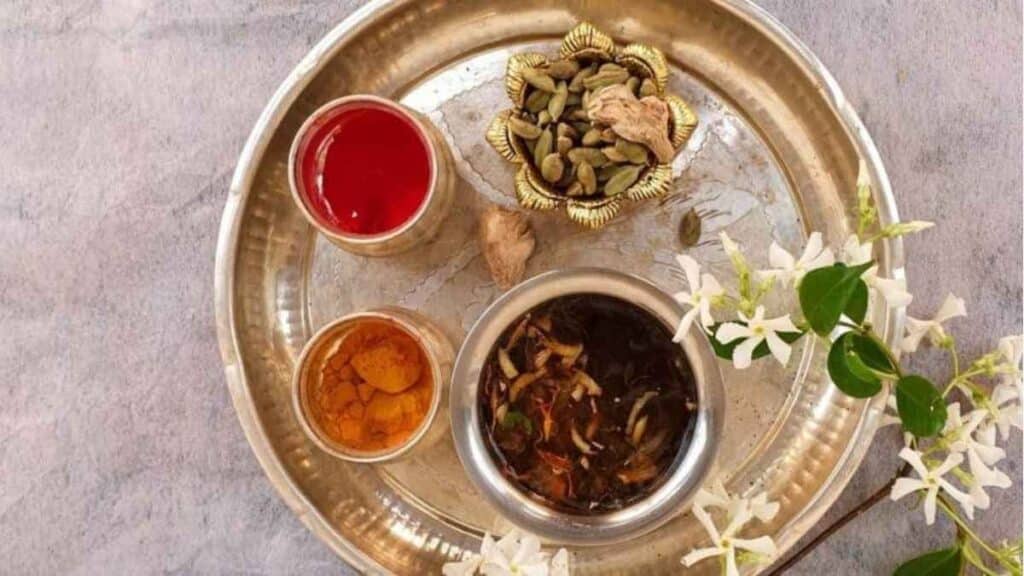
Panakam is a traditional jaggery-and-pepper drink enjoyed during Mahashivratri fasting and other Indian vrat occasions.
To learn more about the significance, rituals, and traditions of Mahashivratri, check out our mahashivratri festival guide
Traditional Uses Beyond Mahashivratri
While Panakam is especially associated with Mahashivratri, this versatile beverage appears in various other contexts throughout South Indian culture.
Summer Cooler and Digestive Tonic
Many South Indian families prepare Panakam throughout summer months as a healthier alternative to commercial soft drinks. The jaggery provides minerals and quick energy that replace electrolytes lost through sweating, while the cooling properties attributed to jaggery and tulsi in Ayurveda make it appropriate for hot weather consumption.
The digestive spices make Panakam an excellent beverage after heavy meals. Some families serve it after traditional feast meals, finding that the ginger and pepper aid digestion while the jaggery’s sweetness satisfies the desire for dessert without adding heavy, rich sweets.
Ugadi and Tamil New Year Celebrations
Panakam features prominently in Ugadi (Kannada and Telugu New Year, usually in March or April) celebrations, where it’s part of the traditional “Ugadi Pachadi”—a symbolic mixture that includes six tastes representing life’s varied experiences. While Pachadi itself is more complex, Panakam is served alongside as a refreshing beverage.
Tamil New Year (Puthandu, usually April 14) celebrations also include Panakam in some regions, offered to deities during morning puja and served to family members and guests throughout the day.
Sri Rama Navami Observances
During Sri Rama Navami, devotees fasting in honor of Lord Rama’s birth often consume Panakam as it’s considered particularly appropriate for Vishnu worship (Rama being an incarnation of Vishnu). The tulsi leaves sacred to Vishnu make Panakam especially auspicious for these observances.
Some temples prepare large quantities of Panakam during Rama Navami and distribute it to devotees, just as they do during Mahashivratri. The preparation and offering become devotional activities that temple volunteers undertake as seva (selfless service).
Post-Yoga or Meditation Practice
Modern practitioners often consume Panakam after intensive yoga sessions or extended meditation periods. The quick-absorbing sugars replenish energy depleted during practice, while the spices support the digestive system as you transition from the fasted state of practice to regular eating.
The gentle, natural ingredients align with yogic principles of sattvic foods that support clarity and spiritual awareness. Many yoga studios and ashrams in South India serve variations of Panakam to students, particularly during intensive training periods or retreats.
Cultural Significance and Temple Traditions
Panakam’s role extends beyond home kitchens into temple rituals and community practices that strengthen its spiritual and cultural importance.
Temple Distribution Practices
Many South Indian temples prepare enormous quantities of Panakam during Mahashivratri, sometimes hundreds of liters distributed to thousands of devotees. The preparation itself becomes seva—volunteers arrive early to grate jaggery, measure spices, and prepare the beverage as an offering to both deity and community.
In some temples, the distribution follows specific protocols. Devotees receive Panakam in small brass or earthen cups after completing pradakshina or after participating in abhishekam (ritual bathing of the deity). The prasad distribution continues throughout the night, ensuring that devotees maintaining vigils have access to nourishment.
Certain temples have specific Panakam recipes that have been passed down for generations, sometimes with unique ingredient combinations or proportions that create distinctive taste associated with that particular temple. Devotees familiar with these temple traditions can often identify the source of Panakam by its specific flavor profile.
