


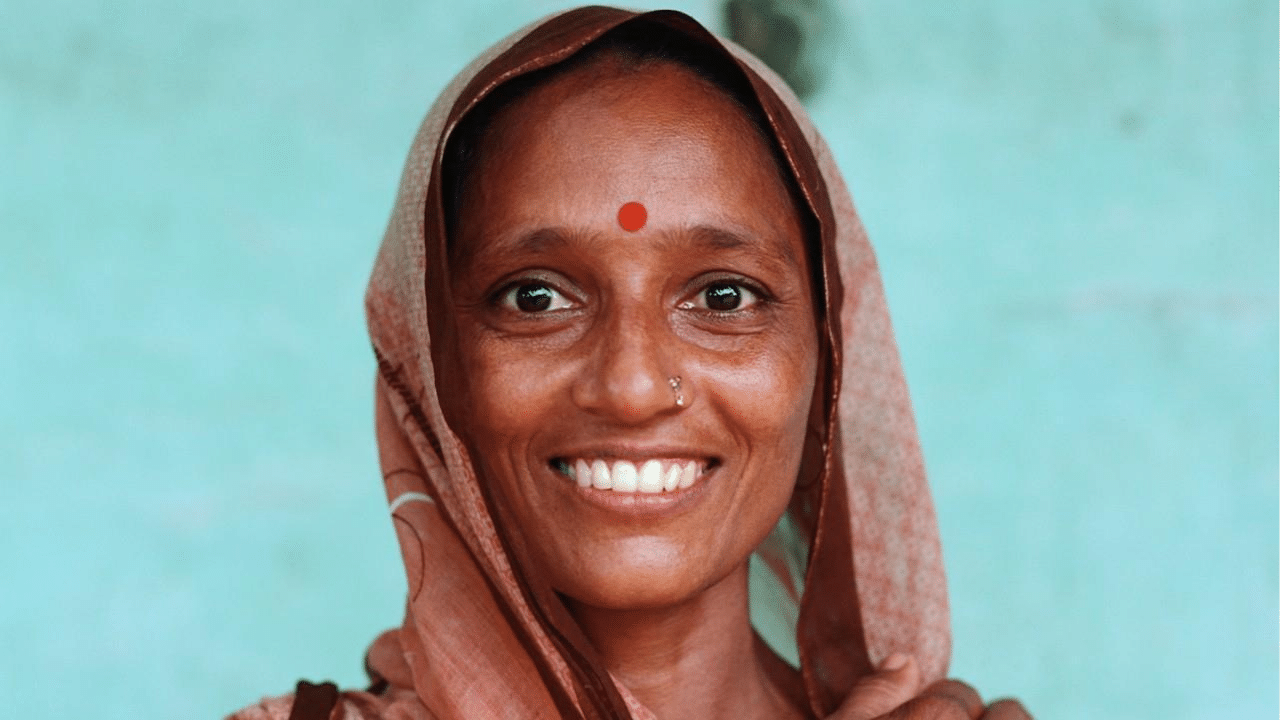
Travelers visiting India often find themselves captivated by the vibrant attire, ornate jewelry, and intricate rituals. But one question comes up more than any other:
“What does the dot on the forehead mean?”
Whether it’s a red circle, a decorative sticker, a sandalwood mark, or a streak of vermillion, that small symbol—commonly known as a bindi or tilak—carries centuries of spiritual, social, and cultural significance. This seemingly simple mark is rich in meaning, deeply symbolic, and varies by gender, region, religion, and occasion.
In this blog, we explore the origin, symbolism, variations, and contemporary significance of the bindi and tilak, answering the curiosity of many foreigners who seek to understand this uniquely Indian custom.
In this Article
What Is a Bindi?
The word “bindi” is derived from the Sanskrit word “bindu,” meaning a point or drop. Traditionally, the bindi is a small red dot worn on the center of the forehead, especially by Hindu women. However, the practice has evolved over time and now includes a wide variety of shapes, colors, and materials.
The bindi is more than just a decorative accessory—it represents the third eye, a spiritual vision, and a connection to divine energy. In yogic terms, it corresponds to the ajna chakra, or the center of intuition and wisdom.
Check Out: How Do Indians Abroad Handle Cooking Odor Complaints and Fire Alarms Effectively
The Spiritual and Religious Meaning

1. Symbol of the Third Eye Chakra
According to Hindu philosophy and yogic practices, the spot between the eyebrows is believed to be the seat of concealed wisdom—the ajna chakra, or the third eye. The bindi is said to retain energy and strengthen concentration. It helps in focusing the mind during meditation and acts as a reminder of spiritual awakening.
2. A Mark of Devotion
In religious rituals, both men and women apply sacred ash (vibhuti), sandalwood paste (chandan), turmeric, or kumkum (vermilion) as a tilak or bindi after prayer. This indicates one’s devotion to a deity and the presence of divine blessings.
3. Marital Status and Social Significance
Traditionally, a red bindi symbolizes that a woman is married, while an unmarried woman or girl might wear a black bindi or decorative sticker for fashion. In many parts of India, a red sindoor (vermilion) in the parting of the hair and a bindi together signify a woman’s commitment to her marriage and family.
Types of Forehead Marks: Bindi vs. Tilak
While the bindi is commonly associated with women, tilak is the term used for the forehead mark worn by men, especially during religious ceremonies or temple visits.
Check Out: Experts Warn: IPTV May Not Be Legal Unless You Follow This One Rule
Tilak Variations and Meanings:
- Vertical lines (U or V shapes): Represent Vishnu or his avatars like Krishna and Rama. Common in Vaishnavite traditions.
- Horizontal stripes: Often made of sacred ash, represent Shiva and are worn by Shaivites.
- Red vertical line with turmeric base: Symbol of Lakshmi-Narayana devotion.
- Circular dot with chandan (sandalwood): A peaceful, cooling mark often used in spiritual practices.
Regional and Cultural Variations

Across India, the styles and materials of bindi and tilak vary widely, reflecting the diversity of regional customs and religious affiliations.
- South India: Often uses turmeric and red kumkum for bindis. Large round dots are common.
- North India: Decorative sticker bindis, often matching outfits, are widely popular.
- Maharashtra: Crescent-shaped bindis are traditional for women, while men wear a vertical red tilak.
- Rajasthan and Gujarat: Elaborate and colorful bindis with jewels are part of festive wear.
- Bengal: The red round bindi is iconic among Bengali married women.
Decorative Evolution: Bindi as Fashion
While the bindi originated as a sacred and spiritual symbol, it has also become a popular fashion accessory. Today, bindis come in many styles:
- Sticker Bindis: Easily applied, available in hundreds of designs
- Jewelled Bindis: Embellished with crystals and stones, worn at weddings and festivals
- Colored Dots: In modern fashion, women may wear silver, blue, green, or gold bindis to match their clothes
- Minimalist Dots: Often worn in daily wear for simplicity and elegance
It’s not uncommon to see Bollywood actresses and global celebrities sporting bindis as part of traditional or Indo-fusion attire.
Check Out: Best Legal Apps to Watch Indian TV in the USA: Stream Seamlessly Without VPNs
Bindi in Contemporary Indian Society
The role of the bindi has also transformed in contemporary India:
- Empowerment and Identity: For many women, wearing a bindi is a statement of cultural pride and feminine power.
- Beyond Religion: Though rooted in Hindu traditions, the bindi is worn by women from other communities and religions as well, including Sikhs, Buddhists, and Jains.
- Cross-cultural Adoption: The bindi has become a global symbol, embraced at music festivals and fashion runways, though sometimes controversially discussed in the context of cultural appropriation.
Is It Okay for Foreigners to Wear a Bindi?
Yes—but with cultural respect.

If you’re visiting India and receive a bindi during a temple visit, religious function, or wedding, it is a gesture of blessing, welcome, or respect. Wearing a bindi as a guest is perfectly acceptable and often appreciated.
However, it’s important to understand the cultural and spiritual context of the bindi. Wearing it mindfully rather than as an exotic trend shows appreciation instead of appropriation.
So, what does the dot on the forehead mean?
It’s more than a dot. It’s a symbol of awareness, spiritual energy, and cultural identity. It reflects marital status, devotion, intuition, and even fashion trends. From the temples of Varanasi to the streets of Mumbai, the bindi and tilak remain timeless expressions of India’s soul—blending the sacred with the stylish, the personal with the profound.
The next time you see someone wearing a dot on their forehead, you’ll know it’s not just tradition—it’s a symbol of something far greater.
