


In this O’ Romeo movie review, we explore a film that reaffirms Vishal Bhardwaj’s position as Hindi cinema’s undisputed master of noir storytelling. When was the last time you witnessed a crime thriller that felt genuinely cinematic—where every frame drips with atmosphere, where romance and revenge dance together in blood-soaked harmony, and where commercial entertainment meets artistic ambition? O’ Romeo doesn’t just tell a gangster story; it elevates the genre with stunning visuals, powerhouse performances, and a director operating at the peak of his creative powers.
Based on a gripping chapter from Hussain Zaidi’s “Mafia Queens of Mumbai,” the film marks another triumphant collaboration between Bhardwaj and Shahid Kapoor, following their acclaimed partnerships in Kaminey and Haider. With Ben Bernhard’s breathtaking cinematography transforming Mumbai’s underworld into a dreamscape and a narrative that weaves tragedy with passion, O’ Romeo is the kind of ambitious cinema that reminds us why we fell in love with movies in the first place.
O’ Romeo is a visually magnificent crime saga that showcases Vishal Bhardwaj’s mastery over atmospheric storytelling. While the first half takes time establishing its world and the runtime demands patience, the film rewards viewers with exceptional performances from Shahid Kapoor and Triptii Dimri, stunning cinematography that transforms every frame into art, and post-interval momentum that delivers genuine thrills. The fusion of romance and revenge, enhanced by Bhardwaj’s musical brilliance, creates a cinematic experience that lingers long after the credits roll.
Language: Hindi
Age Rating: UA (Parental Guidance for children under 12)
Genre: Crime Drama, Romance, Action Thriller
Director: Vishal Bhardwaj
Release Date: February 13, 2026
The Plot: When Grief Transforms Into Vengeance
O’ Romeo draws from the real-life criminal chronicles documented in Hussain Zaidi’s celebrated book “Mafia Queens of Mumbai,” grounding its narrative in the authentic grit of Mumbai’s underworld. At the heart of this revenge saga is Afsha (Triptii Dimri), a woman whose world shatters when her husband Mehboob Qureshi (Vikrant Massey) is brutally murdered by the ruthless underworld kingpin Jalal (Avinash Tiwary).
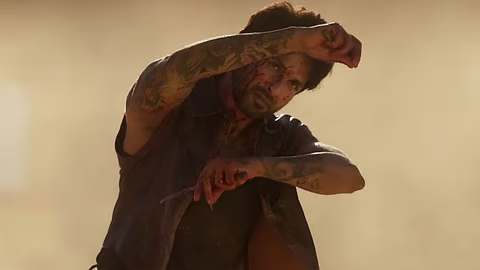
But Afsha is not just another grieving widow—she’s a woman who chooses action over mourning, revenge over resignation. To execute her dangerous plan, she enlists Ustara (Shahid Kapoor), a contract killer whose reputation precedes him. What begins as a transactional partnership slowly evolves into something neither expected—as bloodshed and bullets fly, an unlikely romance blooms amid the chaos.
The genius of Bhardwaj’s storytelling lies in how he layers this seemingly straightforward revenge plot with unexpected emotional depth. The path to vengeance is never clean or simple; it’s marked by moral ambiguity, tragic consequences, and the constant tension between duty and desire. As Afsha and Ustara navigate Mumbai’s criminal ecosystem, their journey becomes a meditation on how love can emerge even in the darkest corners of human experience.\
Check Out: O’Romeo Teaser: Shahid Kapoor Returns in Vishal Bhardwaj’s Intense Revenge Romance
Performances: A Masterclass in Acting Excellence
Shahid Kapoor: Reuniting with His Best Director
This O’ Romeo movie review must celebrate what might be Shahid Kapoor’s finest work since Haider. The Kapoor-Bhardwaj collaboration has consistently produced magic, and their third partnership proves this creative chemistry remains potent. Kapoor’s Ustara is a revelation—a contract killer who balances lethal efficiency with unexpected vulnerability, menace with surprising charm.
Watch him navigate complex action choreography with the grace of a trained dancer while maintaining the hardened edge of a seasoned criminal. His comic timing provides welcome levity without undermining the character’s dangerous nature. In emotional scenes, Kapoor strips away the swagger to reveal the wounded man beneath the gangster exterior. He moves seamlessly between brutal violence and tender romance, making Ustara’s transformation feel earned rather than contrived.
What’s particularly impressive is Kapoor’s physical commitment. The action sequences demand both strength and finesse, and he delivers both while maintaining character authenticity. This is an actor working at the height of his powers, secure enough to make bold choices and skilled enough to execute them flawlessly.
Triptii Dimri: Proving Her Leading Lady Credentials
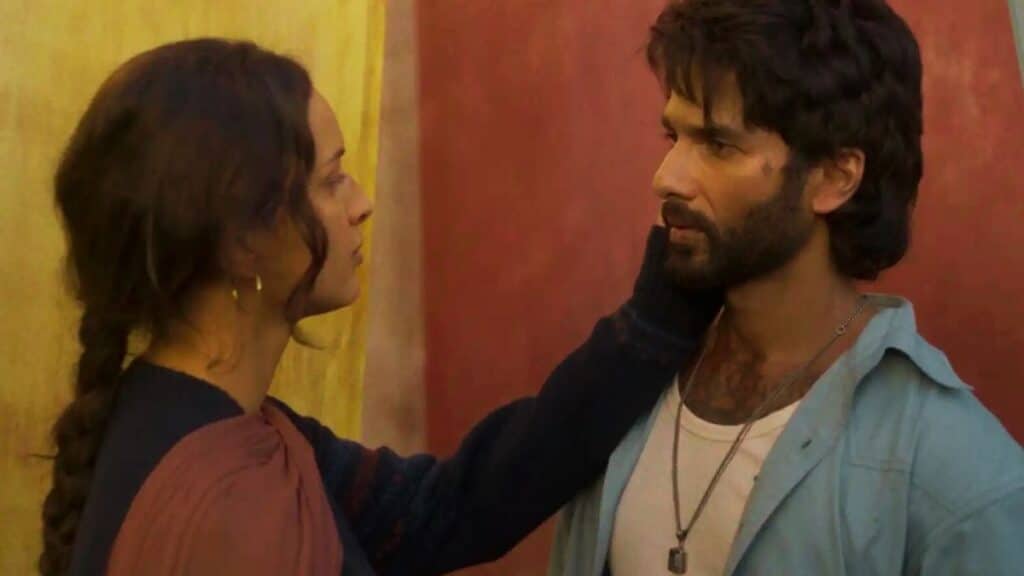
Triptii Dimri steps confidently into what could have been an underwritten role and transforms Afsha into the film’s emotional anchor. Her portrayal of a woman navigating grief, rage, and unexpected love showcases remarkable range. Dimri brings fierce determination to Afsha’s quest for vengeance while maintaining the vulnerability that makes her relatable.
The chemistry between Dimri and Kapoor feels organic despite the violent circumstances that bring them together. She holds her ground in every scene, matching Kapoor’s intensity while carving out her own distinct presence. In quieter moments, Dimri’s expressive eyes convey volumes about Afsha’s internal conflict—the war between her need for revenge and her growing feelings for Ustara.
This performance confirms what films like Bulbbul and Qala suggested: Dimri is one of Hindi cinema’s most exciting young talents, capable of carrying complex narratives with grace and conviction.
Avinash Tiwary: Menace Personified
Despite limited screen time, Avinash Tiwary creates a memorable antagonist in Jalal. He understands that truly frightening villains don’t need to constantly demonstrate their power—the threat is implicit in every measured word, every calculated movement. Tiwary’s presence looms over the narrative even when he’s offscreen, providing the necessary gravitational force that drives the revenge plot.
The Supporting Brilliance
Nana Patekar brings his legendary intensity to Inspector Ismail Khan, making every scene count. His weathered authority provides the perfect counterpoint to the younger criminals’ recklessness.
Tamannaah Bhatia as Rabia delivers a memorable performance that leaves you wanting more. Her brief appearance showcases the kind of strong character work that elevates the entire film.
Vikrant Massey feels somewhat underutilized as Mehboob Qureshi, though he makes the most of his limited screen time. His chemistry with Dimri in flashback sequences establishes the emotional stakes effectively.
The ensemble’s strength lies in how even minor characters feel lived-in and authentic. The gangsters surrounding Ustara display genuine camaraderie, their interactions providing both comic relief and the film’s funniest moments. This depth of character work across the board reflects Bhardwaj’s directorial attention to every detail.
Check Out: Is O’Romeo Based on a True Story? The Real Mumbai Underworld Tale Behind Shahid Kapoor’s 2026 Film
Direction and Vision: Bhardwaj’s Cinematic Mastery
Vishal Bhardwaj has spent decades proving his unparalleled understanding of the noir genre, from Maqbool’s Shakespearean tragedy to Haider’s political complexity. With O’ Romeo, he demonstrates that his creative vision remains as sharp and distinctive as ever. This is a director who knows exactly how to blend grit with beauty, violence with poetry, commercial appeal with artistic integrity.
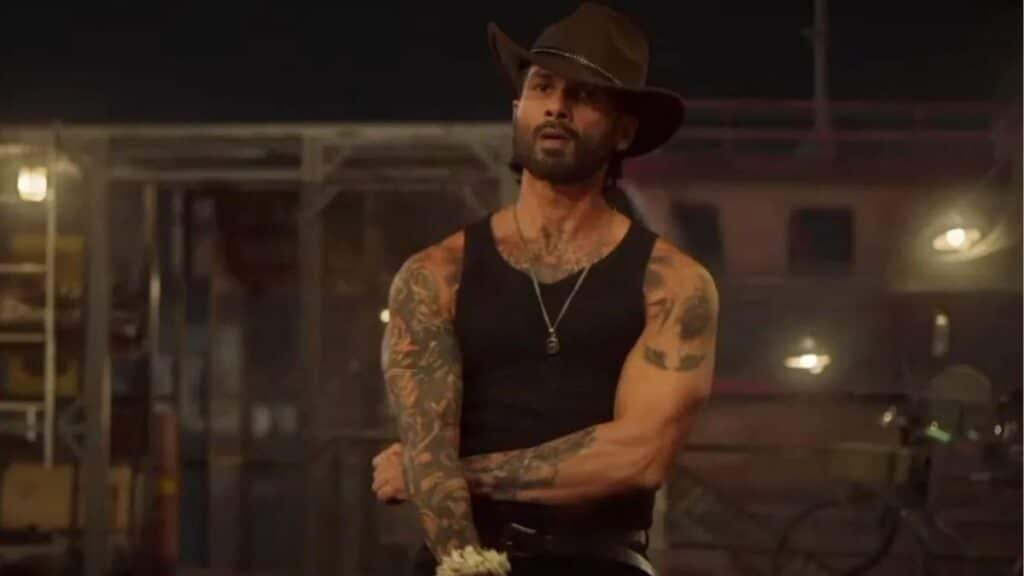
The world Bhardwaj creates feels simultaneously grounded in Mumbai’s criminal reality and heightened into cinematic dreamscape. Colors saturate scenes with emotional meaning—blood reds, shadow blacks, neon blues—creating visual metaphors that enhance the storytelling. His staging of action sequences prioritizes geography and clarity while maintaining visual flair, ensuring viewers always understand what’s happening even amid the chaos.
What’s particularly impressive is how Bhardwaj handles tonal shifts. The film moves from brutal violence to tender romance to unexpected comedy without feeling disjointed. This balancing act requires supreme confidence, and Bhardwaj navigates these transitions with the ease of a master craftsman.
The pacing strategy—a deliberately measured first half that establishes atmosphere before explosive second-half momentum—reflects Bhardwaj’s trust in his vision. He’s willing to let scenes breathe, to build tension slowly, knowing that the payoff will justify the patience required.
Technical Brilliance: Craftsmanship Elevated to Art
Cinematography: Painting with Light and Shadow
Ben Bernhard’s cinematographic work on O’ Romeo ranks among the year’s finest. From the opening frames, it’s clear we’re watching something visually special. The elaborate action sequence set to Madhuri Dixit’s “Dhak Dhak” immediately announces the film’s ambitious visual language—a seamless blend of nostalgia and contemporary technique.
The Nepal sequence transforms mountain landscapes into romantic backdrops that contrast beautifully with Mumbai’s urban grit. The Spanish bullfight scene becomes a metaphor for the dangerous dance between Afsha and Ustara. The masquerade ball sequence feels like stepping into a fever dream where identities blur and danger lurks behind every ornate mask.
Bernhard understands how to use light to convey emotional states—harsh shadows for moments of violence, soft golden tones for romantic interludes, neon saturation for the film’s most stylized sequences. His camera movements are deliberate and purposeful, whether following action or lingering on actors’ faces to capture subtle emotional shifts.
Music and Background Score: Bhardwaj’s Melodic Touch
Vishal Bhardwaj’s dual role as director and composer proves advantageous, creating seamless integration between narrative and music. The reunion of the legendary trio—Gulzar (lyrics), Bhardwaj (music), and Arijit Singh (vocals)—for “Hum To Tere Hi Liye The” produces a haunting romantic ballad that captures the film’s core emotional conflict. The melody lingers, enhanced by Gulzar’s poetic lyrics that speak to love found in impossible circumstances.
“Ishq Ka Fever” brings infectious energy, its catchy hooks providing momentary escapism from the narrative’s darker elements. While “Aashiqon Ki Colony” and “Paan Ki Dukaan” offer solid moments of rooted musical flavor, they don’t quite reach the memorable heights of the film’s standout tracks.
Where Bhardwaj’s musical genius truly shines is in the background score. He knows precisely when to let music swell to heighten emotion and when to strip everything away for maximum impact. The score enhances action sequences without overwhelming them, supports romantic moments without sentimentalizing them, and builds tension during suspenseful passages with masterful restraint.
Action Choreography: Violence as Visual Poetry

Action directors Dani Del Rasario and Vikram Dahiya bring international-level choreography to O’ Romeo. The fight sequences balance brutal realism with aesthetic appeal, creating memorable set pieces that advance both plot and character. Watch how Ustara’s fighting style reveals his professional efficiency—no wasted movements, every action serving purpose.
The choreography uses environment creatively, transforming ordinary locations into dynamic battlegrounds. Bodies move through space with kinetic energy that keeps sequences exciting while maintaining visual clarity. This is action filmmaking that respects audience intelligence, never relying on rapid cuts to hide poor execution.
Editing: Maintaining Momentum
The editing successfully navigates the film’s challenging structure, interweaving multiple timelines and character perspectives while maintaining narrative coherence. The rhythm shifts appropriately between sequences—languid pacing for romantic moments, rapid cuts for action, measured progression for dramatic confrontations.
That said, tighter editing in the first half could have addressed pacing concerns. Some sequences linger slightly longer than necessary, particularly during the world-building phase. The post-interval sections demonstrate what the entire film could achieve with slightly more aggressive trimming—sustained momentum that keeps viewers completely engaged.
Strengths: Where O’ Romeo Truly Shines
Shahid Kapoor’s Career-Defining Performance
Kapoor reminds us why he’s one of Hindi cinema’s most talented actors, delivering work that balances intensity, vulnerability, and unexpected humor with remarkable skill.
Vishal Bhardwaj’s Directorial Mastery
Every frame reflects a director operating at the peak of his creative powers, crafting a world that feels both authentic and heightened.
Ben Bernhard’s Stunning Cinematography
The visual storytelling elevates the narrative, transforming familiar genre elements into something genuinely cinematic through innovative framing and lighting.
Musical Brilliance
The Gulzar-Bhardwaj-Arijit Singh collaboration produces memorable melodies while the background score enhances emotional resonance throughout.
Strong Ensemble Chemistry
From lead actors to supporting cast, everyone delivers committed performances that build a believable criminal ecosystem.
Post-Interval Momentum
The second half demonstrates exceptional pacing, delivering action, emotion, and narrative twists that justify the measured first-half setup.
Atmospheric World-Building
Mumbai’s underworld becomes a character itself, rendered with gritty authenticity and dreamlike stylization in equal measure.
Triptii Dimri’s Breakout Performance
She proves capable of anchoring a major commercial film, holding her own against Kapoor while creating a memorable character.
Minor Areas for Improvement
First Half Pacing
The initial portions take considerable time establishing atmosphere and characters, which may test some viewers’ patience despite the eventual payoff.
Extended Runtime
At nearly three hours, the film occasionally feels indulgent. Trimming 10-15 minutes would create tighter overall momentum.
Underutilization of Vikrant Massey
Despite being crucial to the emotional setup, Massey’s character feels underdeveloped compared to the potential his presence suggests.
Some Musical Numbers Don’t Fully Land
While the standout tracks soar, a couple of songs feel more functional than memorable, slightly interrupting narrative flow.
Cultural Context: Noir with Indian Soul
O’ Romeo exists within a proud tradition of Indian crime cinema, from the early gangster films of the 1970s through contemporary noir explorations. Bhardwaj has consistently positioned himself as this genre’s most accomplished practitioner, and O’ Romeo reinforces that reputation.
The film draws authenticity from Hussain Zaidi’s meticulously researched source material while adding Bhardwaj’s signature artistic flourishes. The Mumbai underworld depicted feels genuine—lived-in spaces, believable hierarchies, authentic criminal codes—while the visual presentation elevates realism into stylized cinema.
This balance between documentary-like authenticity and heightened artistic expression defines Bhardwaj’s approach to crime narratives. He respects the real-world inspirations enough to portray them honestly while understanding that cinema’s power lies in transformation—taking reality and rendering it more meaningful, more beautiful, more emotionally resonant through artistic choices.
Final Verdict: 5/5 Stars ⭐⭐⭐⭐⭐
O’ Romeo is precisely what happens when a master filmmaker receives the resources and creative freedom to realize his vision fully. Vishal Bhardwaj delivers a crime romance that honors genre traditions while pushing Hindi cinema’s visual and narrative boundaries. This is ambitious filmmaking that never forgets its primary obligation: to entertain.
Yes, the first half requires patience as Bhardwaj methodically constructs his atmospheric world. Yes, the runtime occasionally feels indulgent. Yes, certain narrative threads could be tighter. But these minor criticisms fade when measured against the film’s considerable achievements—Shahid Kapoor’s powerhouse performance, Ben Bernhard’s stunning cinematography, the memorable musical moments, and that post-interval momentum that delivers genuine thrills.
Triptii Dimri announces herself as a genuine leading lady capable of carrying major commercial cinema. The ensemble cast—from Avinash Tiwary’s menacing villain to Nana Patekar’s authoritative presence—elevates every scene. The technical departments deliver work that ranks among the year’s finest, creating a film that deserves to be experienced on the biggest screen possible.
Why O’ Romeo Matters for Hindi Cinema
In an industry increasingly dominated by formulaic franchise filmmaking and safe commercial calculations, O’ Romeo represents something increasingly rare: director-driven commercial cinema that refuses to compromise artistic vision for mass appeal. Bhardwaj proves that audiences will embrace challenging, atmospheric storytelling if it’s executed with sufficient craft and conviction.
The film demonstrates that Hindi noir isn’t an exhausted genre but one still capable of yielding fresh perspectives and compelling narratives. By grounding the story in Zaidi’s real-world research while adding layers of romance and visual poetry, Bhardwaj creates something that feels both authentic and artistically elevated.
For Shahid Kapoor, this marks another chapter in a career increasingly defined by interesting choices over safe ones. After the unprecedented success of Kabir Singh followed by more measured responses to Jersey and others, O’ Romeo reminds us of what happens when this talented actor partners with directors who understand his range and push him toward excellence.
The Cinematic Experience
There’s particular joy in watching a film that understands cinema’s unique power to transport, to create worlds that feel simultaneously real and dreamlike. O’ Romeo achieves this delicate balance—grounded enough in authentic criminal history to feel genuine, stylized enough through Bhardwaj’s artistic vision to feel transcendent.
After years of wondering when Bhardwaj would return to the crime territory where he’s most confident, O’ Romeo delivers magnificently—not just for noir enthusiasts, but for anyone who believes Hindi cinema should aspire to more than formulaic repetition. This is what happens when exceptional actors, ambitious directors, skilled cinematographers, and talented technical crews unite behind a singular vision.
The violence serves purpose. The romance feels earned. The style enhances rather than overwhelms substance. And somewhere within all that carefully controlled atmosphere and deliberately paced storytelling is a genuine love letter to Hindi cinema’s noir tradition—flawed in minor ways, ambitious in all the right ones, and absolutely worth your time.
What is the age rating for O’ Romeo?
O’ Romeo has received a UA (Parental Guidance) certificate, meaning children under 12 years should watch with parental supervision.
Can we watch O’ Romeo with kids?
O’ Romeo is not recommended for young children due to its violent content and mature themes. Teenagers 13 and above may watch with parental guidance, but parents should be aware of the intense violence and criminal subject matter.
Is O’ Romeo based on a true story?
Yes, O’ Romeo is based on real events documented in Hussain Zaidi’s acclaimed book “Mafia Queens of Mumbai.” The film draws inspiration from a specific chapter about women who operated within Mumbai’s criminal underworld.
Is O’ Romeo suitable for family viewing?
Due to its violent content, mature themes, and crime-oriented narrative, O’ Romeo is better suited for adult audiences rather than family viewing.
